Electrical Calculate a value
Why the voltage at the end of the cable is lower than at the supply
Calculating voltage drop over the run, and why the cable size that satisfies current may not satisfy voltage.
Save, organize and restore your calculations.
Keep sync and organize your saved records.

Engineering Problem-Solving Library
Every topic here answers a specific question an engineer actually has to answer, states what the method can and cannot do, and links to the tools that compute the numbers. Where a calculator is the right answer it is linked; where judgement is the right answer, that is said plainly instead of hiding behind a formula.
These are the questions that come up most often on site and in review. Each one shows the method, the numbers and the check that catches a wrong answer.
Calculating voltage drop over the run, and why the cable size that satisfies current may not satisfy voltage.
How to go from a soil description to an allowable bearing pressure, and how to tell whether bearing or settlement will actually govern your footing.
Also: Civil & Structural
Choosing a barrel that passes the design flow, and the self-cleansing velocity that stops it silted up within a few seasons.
Also: Environmental
Working out the net positive suction head available at the pump eye, and why a few centimetres of margin matter.
Also: Environmental
Converting daily demand and autonomy into stored energy, and why depth of discharge changes the answer so much.
Also: Electrical
The same problem often needs a different kind of answer. Pick the one that matches what you are actually being asked for.
 Calculate a value
Get a number you can defend, with the method and the limits shown.
Active versus at-rest pressure, and why a wall that cannot move needs a substantially larger design thrust.
Also: Civil & Structural
Checking bending capacity and serviceability deflection together, and reading which of the two actually governs the member.
The three limit states every retaining wall must satisfy, and which one usually fails first on a narrow base.
Also: Geotechnical
Choosing a barrel that passes the design flow, and the self-cleansing velocity that stops it silted up within a few seasons.
Also: Environmental
Tangent, external distance, middle ordinate and curve length, and which of them you actually stake on site.
Where concrete volume actually goes — including the parts that are habitually forgotten — and how wastage and batching affect the order.
Also: Civil & Structural
Why formwork is designed for placement rate and temperature rather than the weight of the finished slab, and where the hydrostatic cap applies.
Also: Civil & Structural
Bond-based development length, the Class A and B lap distinction, and what actually controls the length you detail.
Also: Civil & Structural
Waist slab, steps and landing as separate volumes, and why the pour is usually smaller than people expect.
Block counts per square metre, opening deductions, mortar volume and a realistic waste allowance.
Converting area and thickness into wet volume, dry volume and the bag count you will actually order.
Calculating excavation for trenches and pits including working space, which is usually larger than the structure itself.
Converting area and layer thickness into compacted volume, tonnage and the delivery schedule behind it.
Also: Civil & Structural
Calculating voltage drop over the run, and why the cable size that satisfies current may not satisfy voltage.
Two independent constraints that must both be satisfied, and recognising which one actually chose the size.
Separating frictional loss from fitting loss, and why small bore runs lose far more than intuition suggests.
Why the arithmetic temperature difference gives the wrong area, and how the log mean fixes it.
Also: Chemical & Process
How far a run grows, why plastics move far more than steel, and when expansion loops stop being optional.
Also: Construction & QS
Converting head over a crest to discharge for common weir shapes, and the conditions that invalidate the reading.
Also: Environmental
A screening calculation from envelope U-values and internal gains, and the margin it still needs.
Also: Civil & Structural
Turning airflow and a velocity budget into a standard duct size, and the rectangular equivalent that fits the ceiling void.
Velocity, friction factor and pressure drop per 100 ft, and what that means for the fan duty to specify.
Also: Mechanical & Fluids
Why drainage is sized by a loading unit, and reading the code table to get the building drain.
Water supply fixture units converted to a probable peak demand, and the service size that follows.
Converting residents into daily flow, applying the required retention time and the sediment allowance.
Also: Environmental
Relating feed concentration, rejection percentage and permeate salinity, and reading the recovery calculator correctly.
Also: Chemical & Process
Comparing peak inflow against the permitted discharge and turning the difference into a storage volume.
Also: Civil & Structural
Sizing infiltration storage and soakaways, and recognising the soils that will not drain.
Also: Geotechnical
Quantifying the reusable fraction of household wastewater and the storage it needs.
Also: Plumbing & Fire
Applying crop coefficient to reference evapotranspiration, then correcting for how efficiently water is delivered.
From appliance energy to module count, with the derating that stops an array from under-delivering.
Also: Electrical
Converting daily demand and autonomy into stored energy, and why depth of discharge changes the answer so much.
Also: Electrical
Controller current from array size and battery voltage, and what happens when the array is oversized for the bank.
Also: Electrical
Vertical, horizontal and rectangular storage, with working freeboard and the resulting usable volume.
Also: Mechanical & Fluids
Understand a concept Understand why the method works and when it stops being valid.
How to go from a soil description to an allowable bearing pressure, and how to tell whether bearing or settlement will actually govern your footing.
Also: Civil & Structural
Distinguishing immediate from consolidation settlement, and why the damage limit is usually about differential movement rather than total.
Also: Civil & Structural
Splitting pile capacity into shaft friction and end bearing so you can tell whether a longer pile actually helps.
Converting water content, unit weight and specific gravity into void ratio, saturation and the unit weights every other calculation expects.
Euler and Johnson behaviour, the slenderness ratio, and recognising the member that will buckle rather than crush.
Conduit fill percentages by conductor count, the reason they exist, and choosing the next conduit when the first does not fit.
Also: Construction & QS
Converting kW and power factor into the reactive power to remove, and choosing a defensible target.
Separating the heat you feel from the moisture you remove, and why a humid climate shifts the balance sharply.
Conservation of mass across a process, and the arithmetic checks that catch an error before design does.
Also: Water & Desalination
The difference between a screening number and a compliant design, and where professional review genuinely has to enter.
Also: Geotechnical Electrical HVAC & Services Mechanical & Fluids Plumbing & Fire
The conversions and dimension slips that produce plausible-looking but wrong answers, and how to catch them.
Also: Geotechnical Electrical Mechanical & Fluids HVAC & Services Plumbing & Fire Water & Desalination Environmental Renewable Energy Chemical & Process
 Choose between alternatives
Compare real alternatives against a stated set of criteria.
Applying diversity and growth to connected load, then selecting the next standard rating and understanding the utilisation.
Reading a pump curve as a system curve, and matching the two to find where the system will actually operate.
How recovery drives concentrate quality, and why pushing it higher trades water for scaling risk.
Matching filtration and dosing decisions to the fouling and scaling risk of the raw water.
Also: Chemical & Process
 Diagnose a problem
Find the cause of something that is going wrong on site.
How excavation, compaction and bulking change the numbers, and why a balanced site is almost never balanced on paper.
Working out the net positive suction head available at the pump eye, and why a few centimetres of margin matter.
Also: Environmental
Converting drainage area and rainfall intensity into inflow, then applying the margin a real storm will need.
Also: Environmental
Continuous rating versus surge capability, and the load types that decide which governs.
Also: Electrical
 Follow a procedure
Follow an ordered engineering method from data to a decision.
The path from an engineered quantity to a priced line item, and where quantities get lost between disciplines.
Also: Civil & Structural
Surveying an existing structure so the design assumptions match reality, and the dimensions most often wrong.
Also: Civil & Structural
The checks that matter before concrete is placed, when the formwork is carrying load that will not be there later.
Each discipline carries its own colour, icon and label across the whole library, so a subject stays recognisable wherever you meet it.
 Civil & Structural Engineering Structural capacity, serviceability, load paths, geometry and the materials that carry them. 18 topics
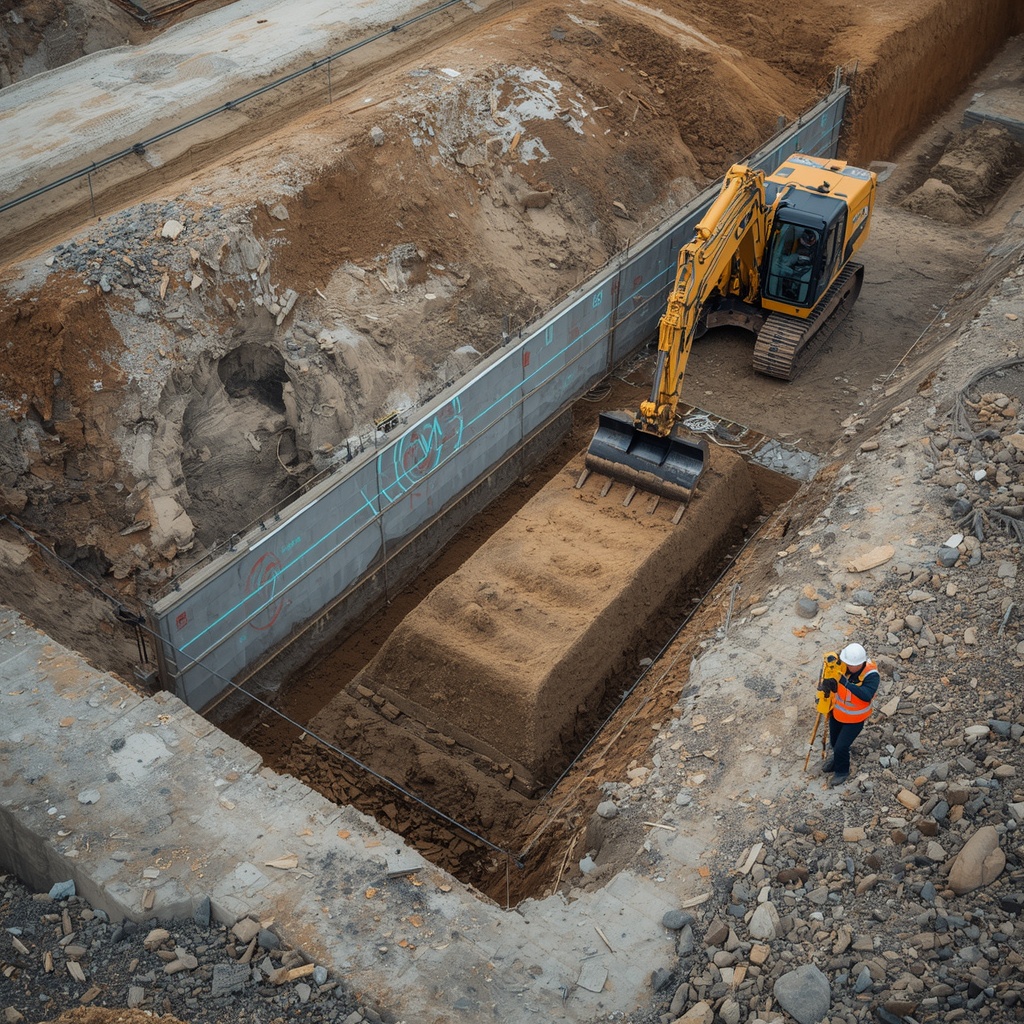 Construction Engineering & Quantity Surveying Estimating, quantities, temporary works, site method and the commercial reality of building it. 14 topics
 Electrical Engineering Load, conductor sizing, voltage behaviour, protection and the distribution that carries power. 11 topics
 Mechanical & Fluid Engineering Pumps, piping, pressure drop, heat transfer and the fluid behaviour that decides equipment duty. 10 topics
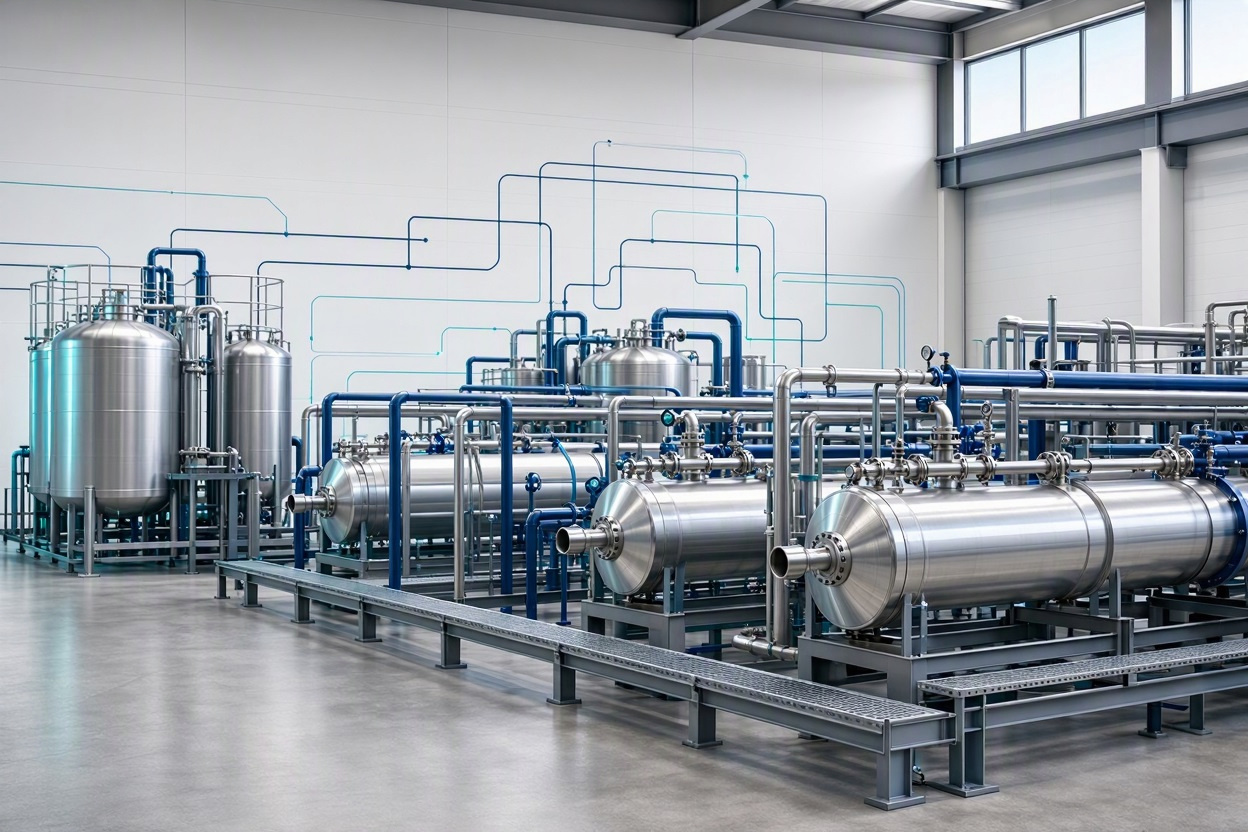 Water Treatment & Desalination Treatment processes, membrane systems, mass balance and the plant that produces usable water. 5 topics
 Renewable Energy & Solar Off-grid and grid-tied solar sizing, storage, inverter duty and harvestable energy. 5 topics
 Chemical & Process Engineering Process design, mass and energy balance, unit operations and safe operating envelopes. 6 topics
These are the EngiMetric tools the library calls on. Each one names the engine that computes its result, so a figure taken from a topic and a figure taken from the tool cannot disagree.
Counts, filters and related links on this page are derived from the published inventory at build time, so they cannot drift from the actual content. Every worked example is executed against its authoritative engine during the build, and a mismatch fails the build rather than reaching a reader.